GREAT LAKES REGION: STRENGTHENING REGIONAL COORDINATION FOR SUSTAINABLE PEACE
Kampala–Kasese, February 27, 2026 — In the context of renewed diplomatic efforts under the auspices of the United Nations, a high-level strategic retreat was convened in Uganda, marking a significant step forward in the operationalization of the Contact and Coordination Group (GCC) to advance regional peace and stability.
Organized by the Office of the United Nations Special Envoy for the Great Lakes Region, in partnership with the Folke Bernadotte Academy (FBA), the retreat brought together experts from the GCC Operational Cell from February 23 to 27, 2026, in Kampala. The initiative forms part of ongoing efforts to strengthen regional cooperation mechanisms in response to persistent cross-border security threats.
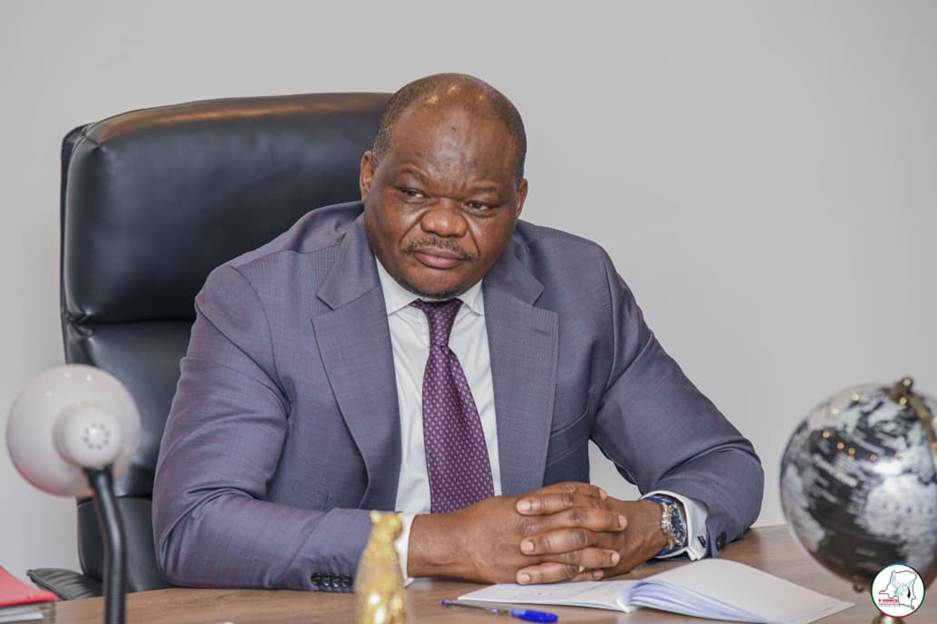
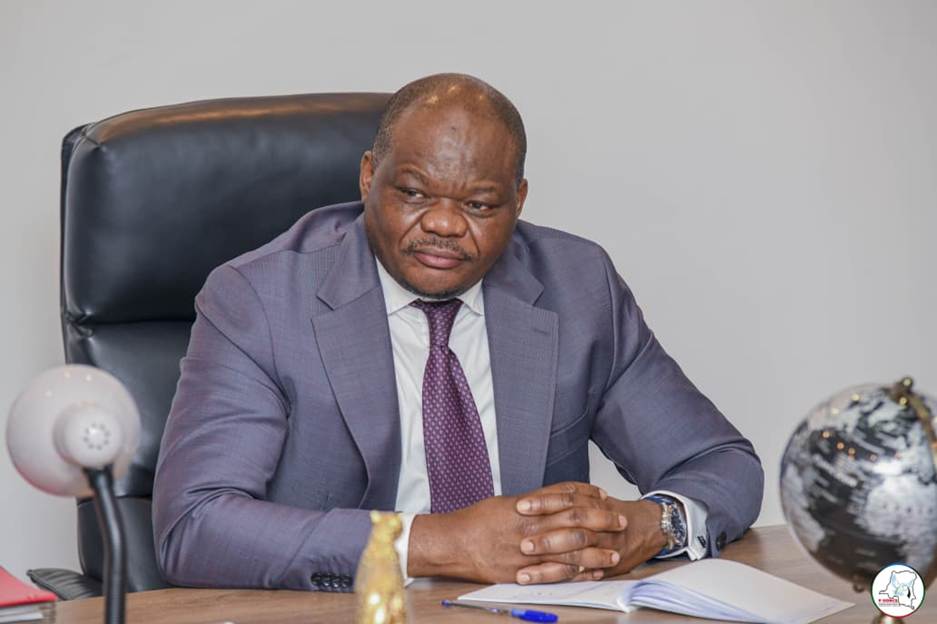
Opening the proceedings, Ambassador Robert Masolo, GCC focal point and representative of the Government of Uganda, underscored the imperative of a collective, coordinated, and sustainable response. In his remarks, Professor Jean de Dieu Désiré NTANGA NTITA, National Coordinator of the P-DDRCS and Head of the Congolese delegation, reaffirmed the central role of national leadership and ownership of stabilization processes as key conditions for achieving sustainable outcomes with tangible peace dividends for affected populations. He further emphasized the importance of anchoring diplomatic initiatives within communities to ensure their legitimacy and long-term sustainability.
Discussions focused on evolving regional security dynamics, including the persistent threat posed by both domestic and foreign armed groups, as well as prospects for their disarmament, demobilization, repatriation, and reintegration (DDRR). Comparative experiences from countries such as Mozambique, Tanzania, Uganda, and Nigeria enriched the dialogue, highlighting the need for harmonized and coordinated DDRR approaches at the regional level.
Working group sessions identified key operational challenges in North Kivu, Ituri, and South Kivu provinces and led to the development of a regional roadmap. Priority recommendations included the conduct of joint verification missions, the establishment of structured collaboration frameworks among states and partners, and the strengthening of strategic communication efforts—particularly through community radio—to encourage defections and counter extremist narratives.
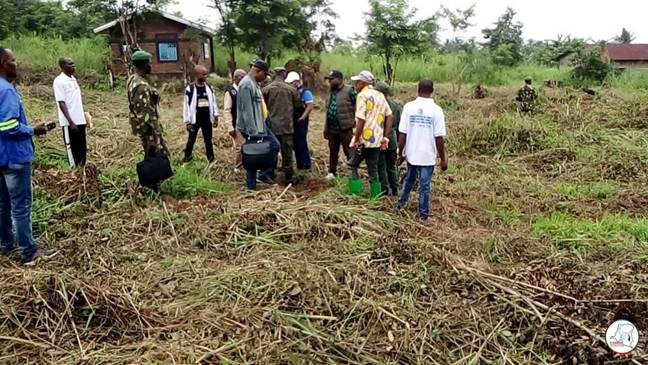
The mission concluded with a field visit to the Kasese Identification and Reintegration Center in the Rwenzori region, attended by representatives of the United Nations, development partners, and national institutions, including the P-DDRCS. The visit provided valuable insights through testimonies from former combatants.
The participation of local peace actors, including former members of armed groups who have become advocates for community dialogue, underscored the importance of inclusive, community-based approaches to disengagement and reintegration processes.
Through this initiative, the GCC reaffirms its role as a strategic platform for regional coordination, reflecting a shared commitment among states and international partners to pool efforts in support of sustainable, inclusive, and resilient peace across the Great Lakes region.
P-DDRCS Communication Unit