HEALING THE NATION WITHIN: HOW MENTAL HEALTH IS REVOLUTIONIZING DDR IN THE DRC
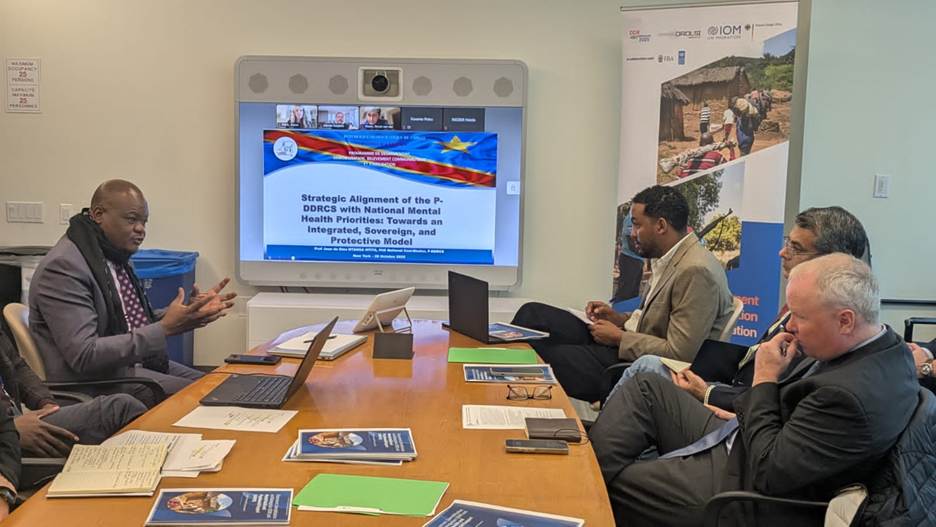
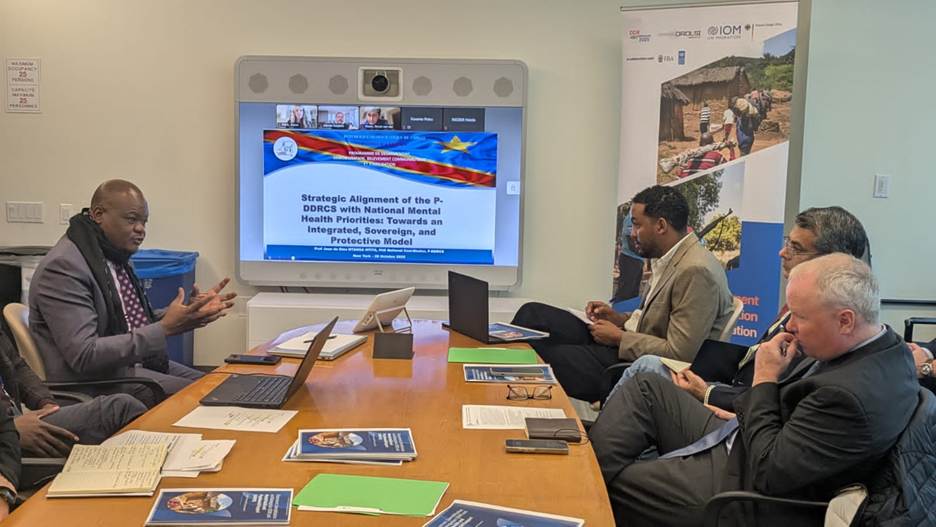
In the grand halls of the United Nations in New York, during the High-Level Symposium on Disarmament, Demobilization, and Reintegration (DDR), the Democratic Republic of Congo (DRC) emerged as a trailblazer in an often-overlooked frontier of peacebuilding: mental health. At the center of this paradigm shift stood Prof. Jean De Dieu Désiré Ntanga Ntita, PhD, the National Coordinator of the P-DDRCS, who presented a vision as bold as it is humane.
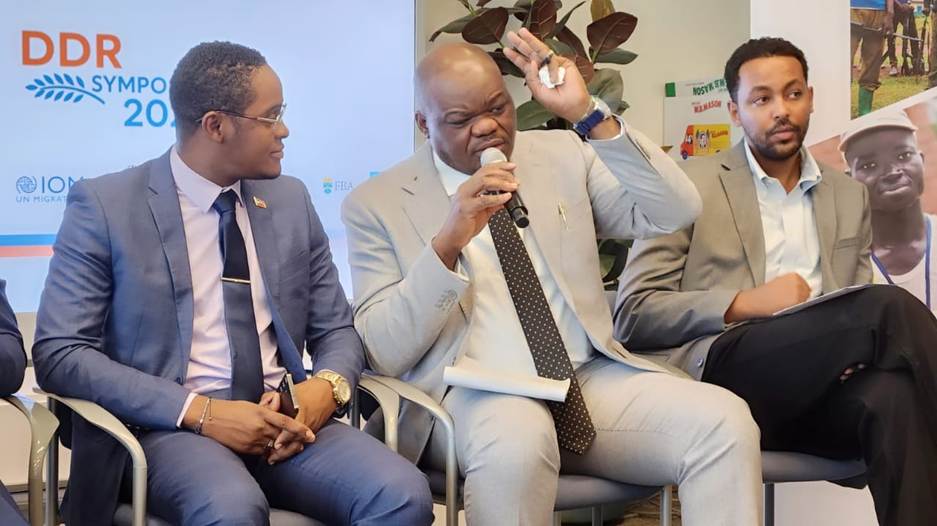
“We no longer disarm only hands; we disarm pain, trauma, and the silent cries of the soul,” declared Prof. Ntanga Ntita. With a voice that blended gravity and hope, he made the case for integrating mental health and psychosocial support (MHPSS) into every phase of the DDR process.
Backed by Presidential Ordinance No. 21/038 and a nationally owned strategy validated in 2022, the DRC is reframing DDR not just as a technical process but as a human-centered transformation. The country is pioneering an institutional approach where healing minds is not a peripheral concern but a sovereign commitment. This shift is not symbolic. In 2025 alone, over 2,800 ex-combatants and 15,000 children formerly associated with armed groups have entered care, including psychosocial support, with a special emphasis on female survivors.
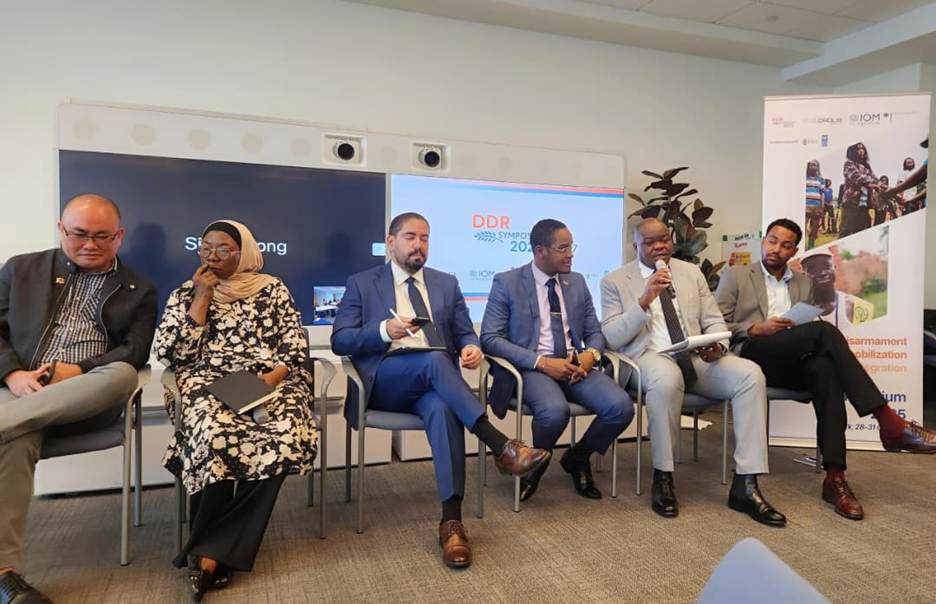
The cornerstone of this innovation is a groundbreaking Memorandum of Understanding signed in August 2025 between the P-DDRCS and the National Mental Health Program (PNSM). The agreement lays out a six-pronged operational framework: joint planning, cross-sectoral training, integrated service delivery, bidirectional referrals, research with local universities, and coordinated resource mobilization.
Prof. Ntanga Ntita stressed that this was not merely a programmatic alignment but a sovereign stand: “Mental health is now a protected sector, as strategic as defense or infrastructure.” The approach is fully consistent with global DDR standards (IDDRS 5.70), the IASC guidelines, and the UN’s peace-humanitarian-development nexus.
During his address, he outlined innovative community interventions: peer-led support groups, trauma-informed art therapy, and platforms like « Espace Kimia » and « Sauti » that provide safe spaces for healing. He argued convincingly that sustainable peace depends as much on internal reconciliation as on arms collection.
DRC’s model is being closely watched by UN agencies, regional counterparts, and international donors. It offers an exportable template for post-conflict societies: a DDR framework that treats mental health as an engine for resilience, reintegration, and national restoration.
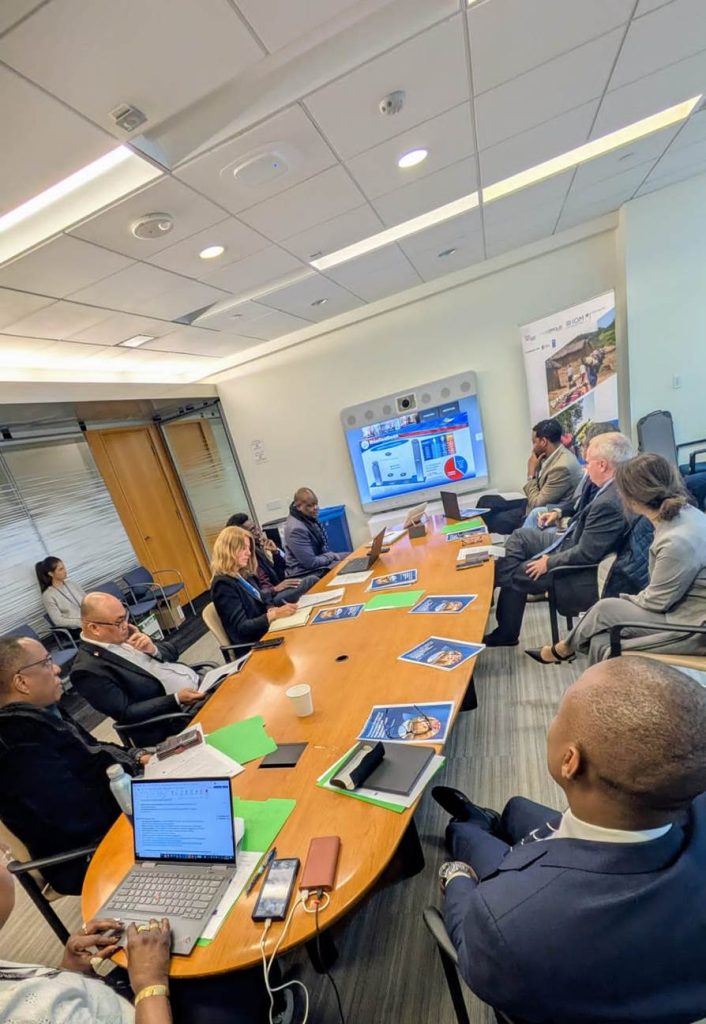
As Prof. Ntanga Ntita concluded, his message was unmistakable: “A stable republic is not just built on the silence of guns but on the restoration of human dignity. DDR must heal to be real.”
In a world where trauma from conflict often lingers in the shadows, the DRC’s pioneering move to bring mental health into the heart of peacebuilding could well become the gold standard for DDR programming across the globe.
This is not just about post-conflict recovery; it is about rehumanizing entire societies. And the Democratic Republic of Congo is leading the way.
P-DDRCS Communication Unit