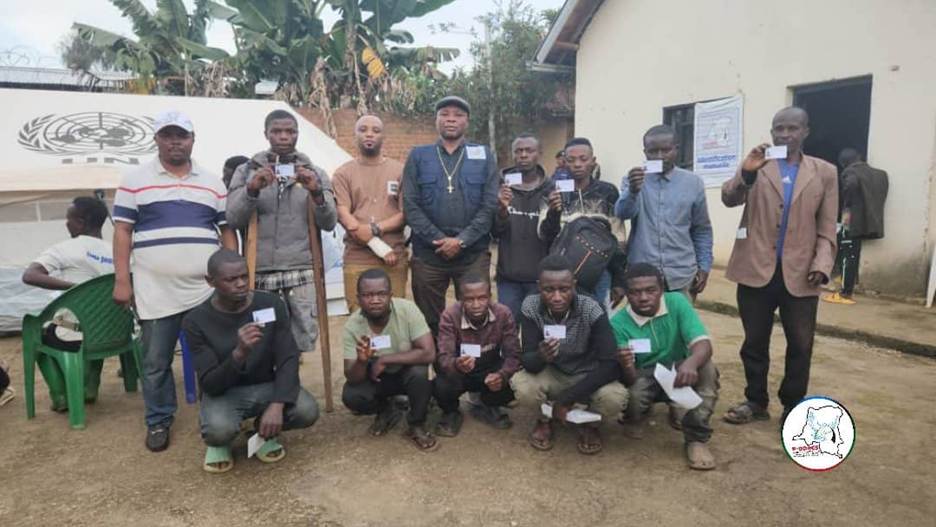
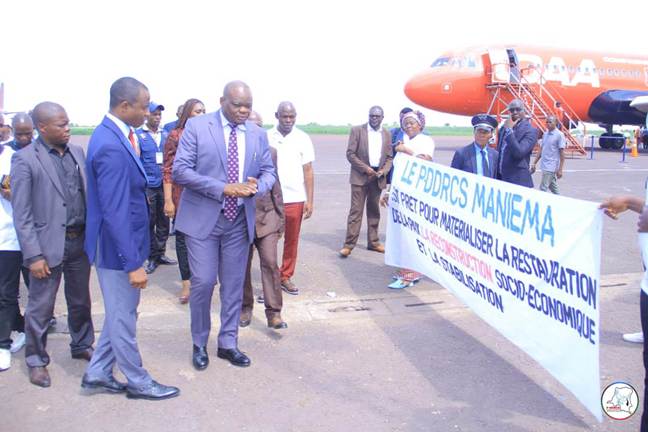
ITURI: ESTABLISHMENT OF COMMUNITY FARMS FOR P‑DDRCS BENEFICIARIES IN KATOTO, DJUGU TERRITORY
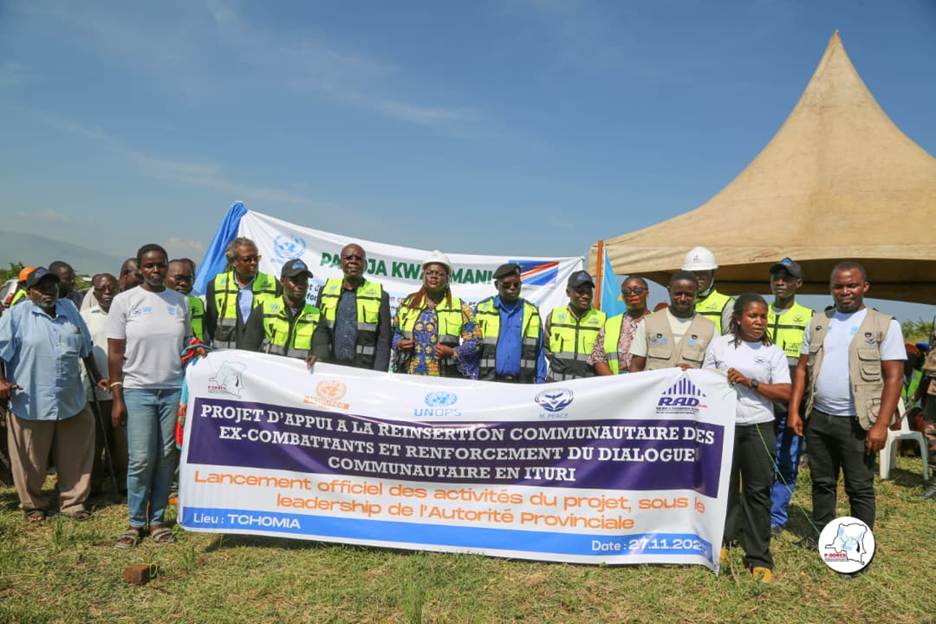
On Friday, 27 November 2025, the Disarmament, Demobilization, Community Recovery and Stabilization Programme (P‑DDRCS) launched the first community farm for its beneficiaries in Katoto, Djugu Territory. This initiative, which brings together ex‑combatants and local communities, aims to strengthen socio‑economic reintegration and consolidate peace in a region long affected by violence.
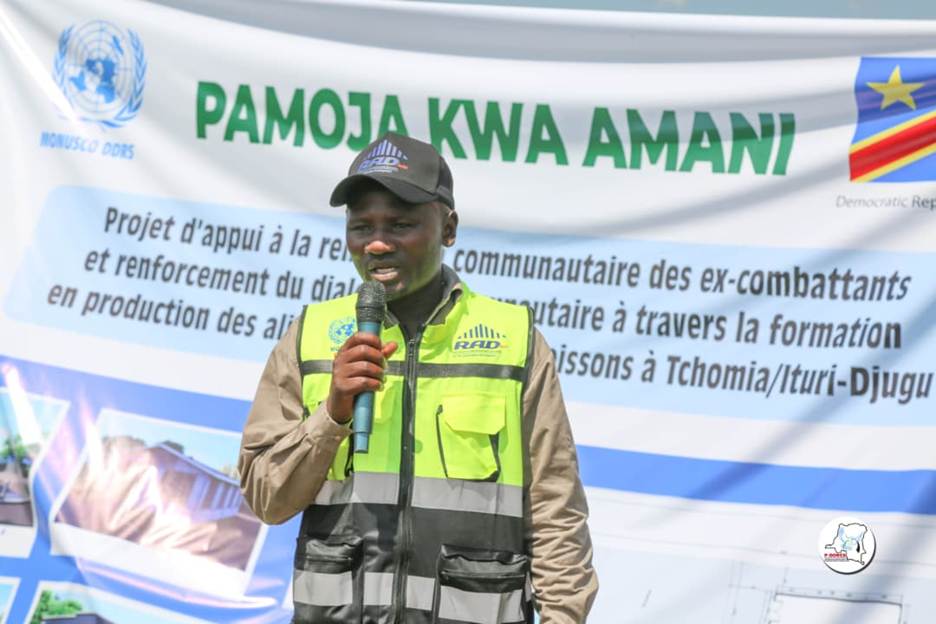
Under the supervision of Mr. Honoré Kakwa Cherman, Head of the P‑DDRCS antenna in Djugu, the first groups of beneficiaries began planting groundnut seeds on a six‑hectare plot. This land will be jointly cultivated by Katoto residents and ex‑combatants as part of their community reintegration. Additional agricultural sites will gradually be developed to expand this dynamic and accommodate more participants.
Officially launched on 27 September 2025 by the National Coordinator, Professor Jean de Dieu NTANGA NTITA, this pilot project is part of a government strategy to provide sustainable livelihoods to populations affected by armed conflict. It is financed entirely by the Government of the Democratic Republic of Congo.
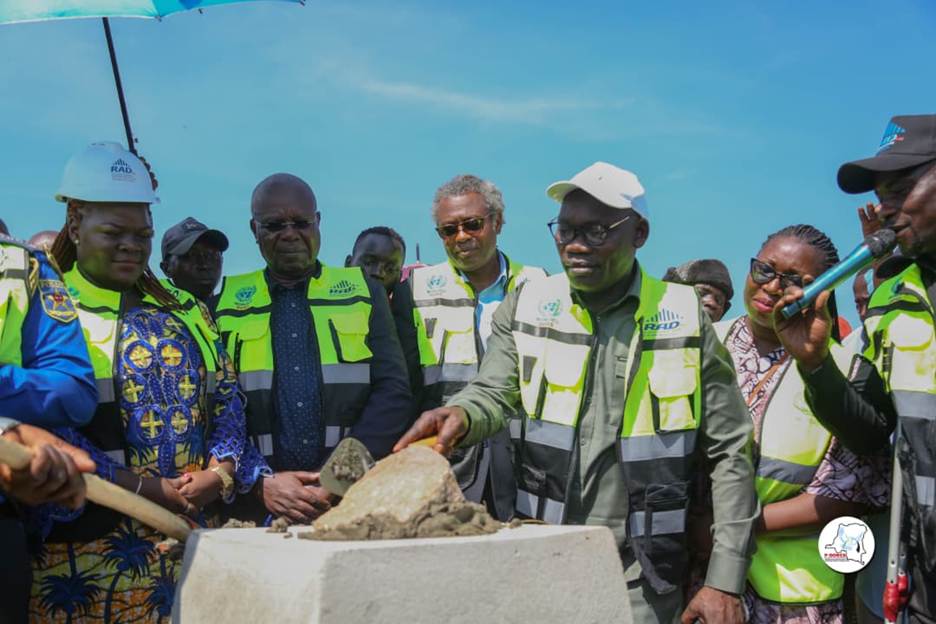
In a zone where community tensions have been fueled by years of violence, the initiative introduces a new approach: working the land as a means of human transformation and rebuilding the socio‑economic fabric long weakened in the province. Community farms are designed as shared spaces where former fighters and local populations learn to coexist, collaborate, and gradually rebuild mutual trust. Community leaders present at the launch hailed the project as a strong signal of hope for Katoto.
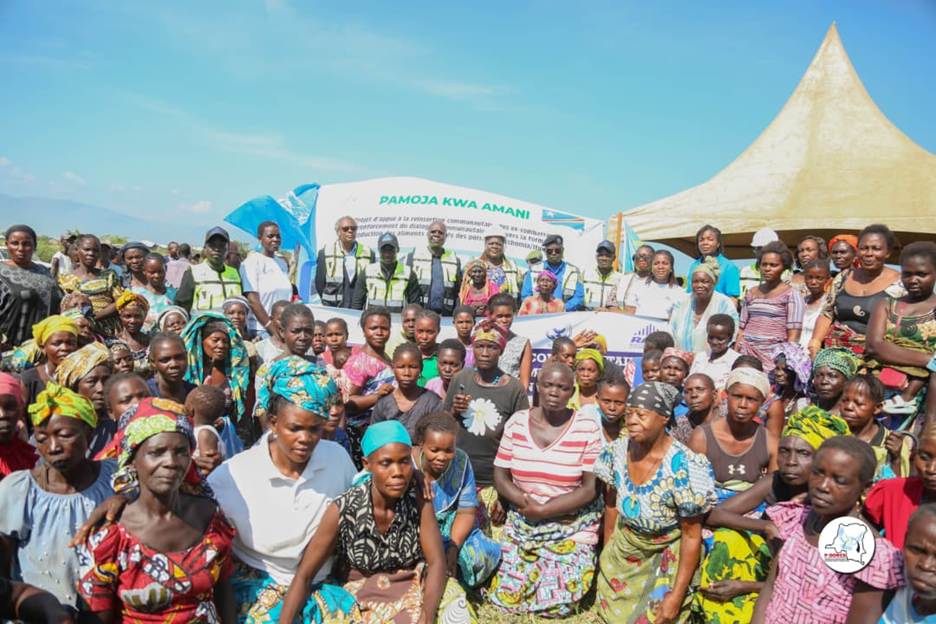
The project targets 250 ex‑combatants, including 10% women, who often face major challenges after laying down arms: lack of income, community mistrust, limited professional skills, and the risk of returning to armed groups. By relying on the land, collective activities, and shared responsibility, the programme seeks to create a virtuous cycle: less violence, more production, and stronger cohesion. Success in reintegration depends on active collaboration from communities. This farm belongs to everyone, and all must commit to turning the page on conflict.
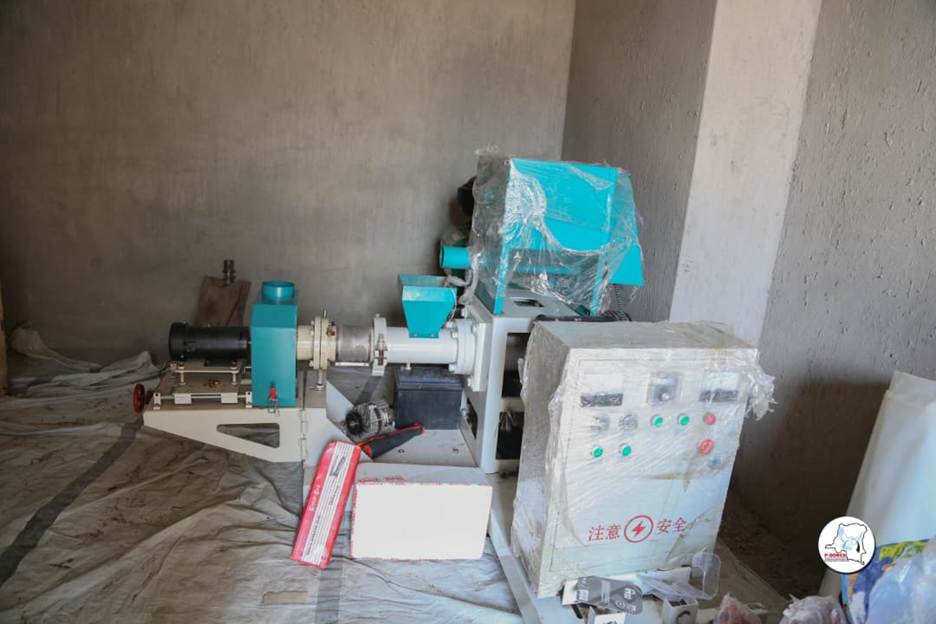
Through agricultural and agropastoral training, ex‑combatants will acquire skills in production techniques, crop management, and other income‑generating activities. This support aims to provide them with viable economic alternatives and recognized roles within society.
Beyond immediate benefits for participants, the project is expected to reduce local poverty, improve food security, and foster an environment conducive to peace — a central priority of the Head of State, His Excellency Félix Antoine TSHISEKEDI TSHILOMBO, President of the P‑DDRCS Steering Committee.
Communication Unit – P‑DDRCS