PREVENTING CONFLICTS THROUGH HUMAN RIGHTS: THE P-DDRCS AT THE HEART OF THE REGIONAL EARLY WARNING ARCHITECTURE IN CENTRAL AFRICA
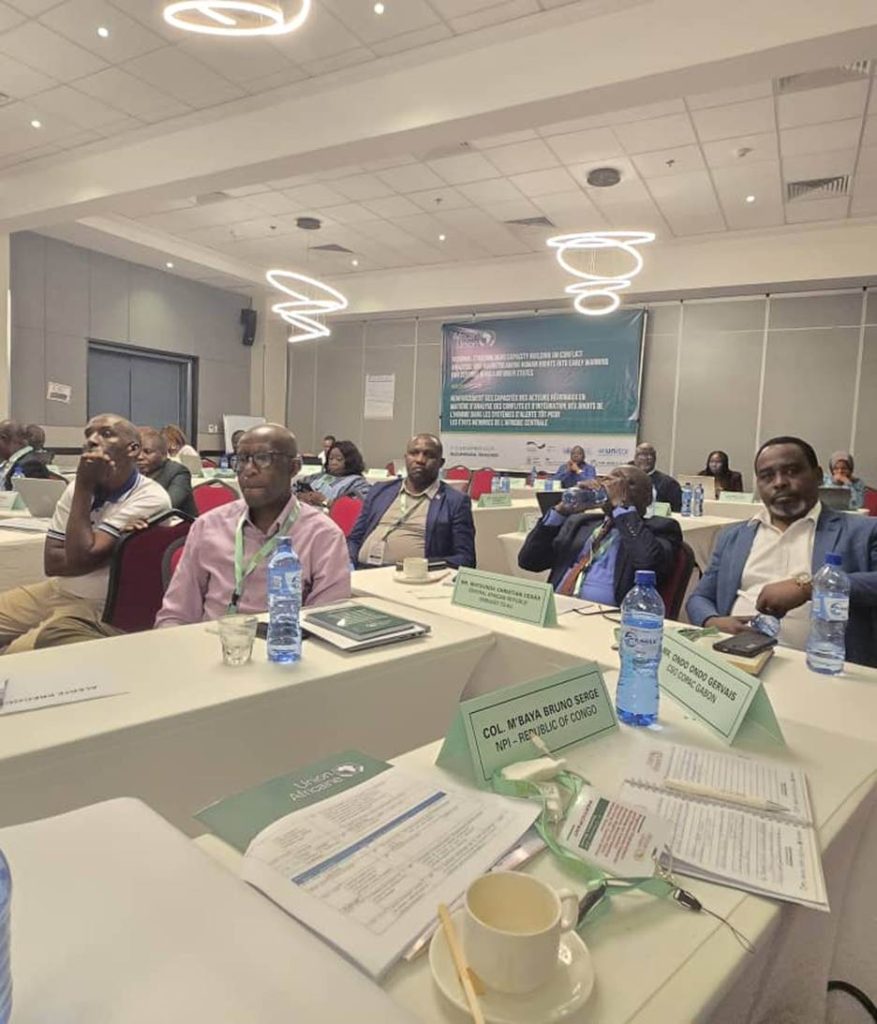
Bujumbura, December 2025 – The Democratic Republic of the Congo is strengthening its strategic positioning within African conflict-prevention mechanisms. Through the active participation of the Programme for Disarmament, Demobilization, Community Recovery and Stabilization (P-DDRCS) in the Regional Capacity-Building Seminar on Conflict Analysis and the Integration of Human Rights into Early Warning Systems, held in Bujumbura from 9 to 13 December 2025, the country reaffirmed its commitment to sustainable peace grounded in human rights.
Jointly organized by the African Union (AU) through its Department of Political Affairs, Peace and Security (PAPS), the Office of the United Nations High Commissioner for Human Rights (OHCHR), GIZ and UNITAR, with financial support from international partners including the UK FCDO, the World Bank and Germany’s BMZ, the seminar brought together representatives from ten Central African States: Angola, Burundi, Cameroon, the Central African Republic, Chad, the Democratic Republic of the Congo, Equatorial Guinea, Gabon, the Republic of the Congo, and São Tomé and Príncipe.
A Human Rights–Based Approach at the Core of Conflict Prevention
Discussions in Bujumbura underscored a growing continental consensus: systemic human rights violations, governance deficits and social inequalities are not only consequences of violent conflict but, above all, key early warning indicators. Integrating a Human Rights-Based Approach (HRBA) into early warning mechanisms therefore constitutes a strategic lever to shift from reactive crisis management to proactive prevention, in line with the African Charter on Human and Peoples’ Rights, the AU Constitutive Act and Agenda 2063—particularly Aspiration 3.
This orientation is also consistent with the United Nations Sustainable Development Goals, notably SDG 16 on peace, justice and strong institutions. In this regard, the AU Peace and Security Council has repeatedly urged Member States and Regional Economic Communities to fully integrate human rights into early warning analysis and preventive diplomacy.
The Congolese Experience: From the Field to Regional Strategy
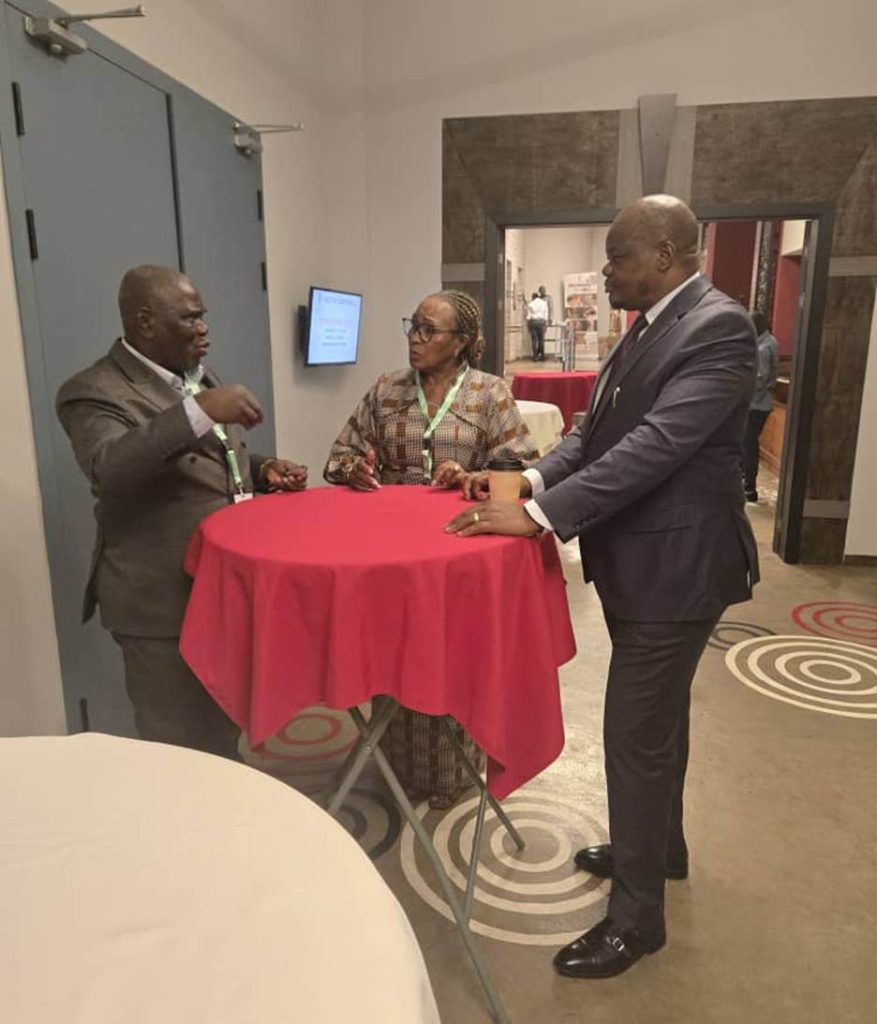
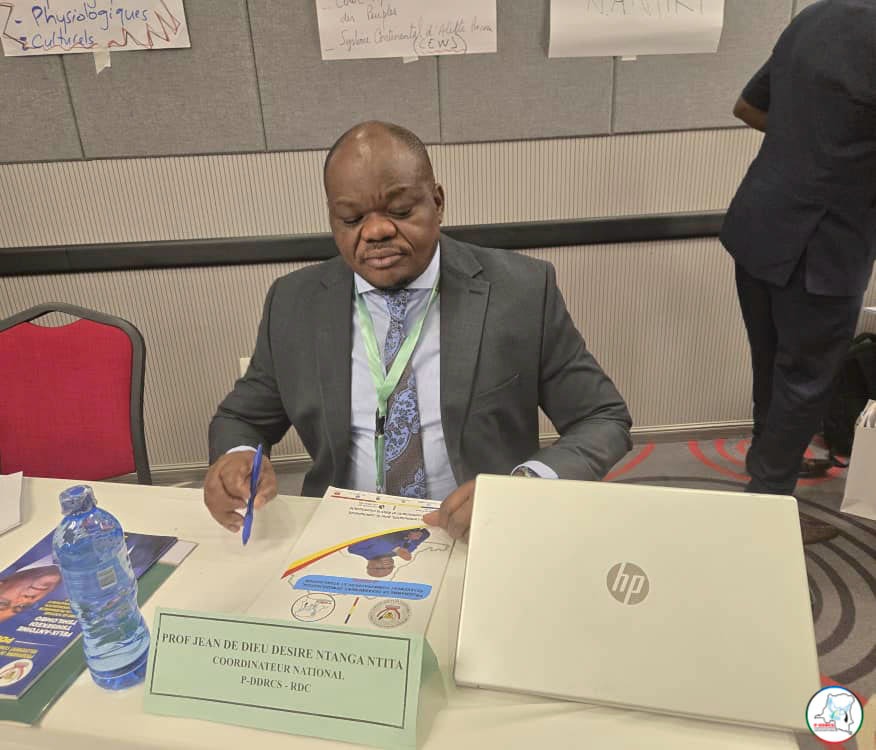
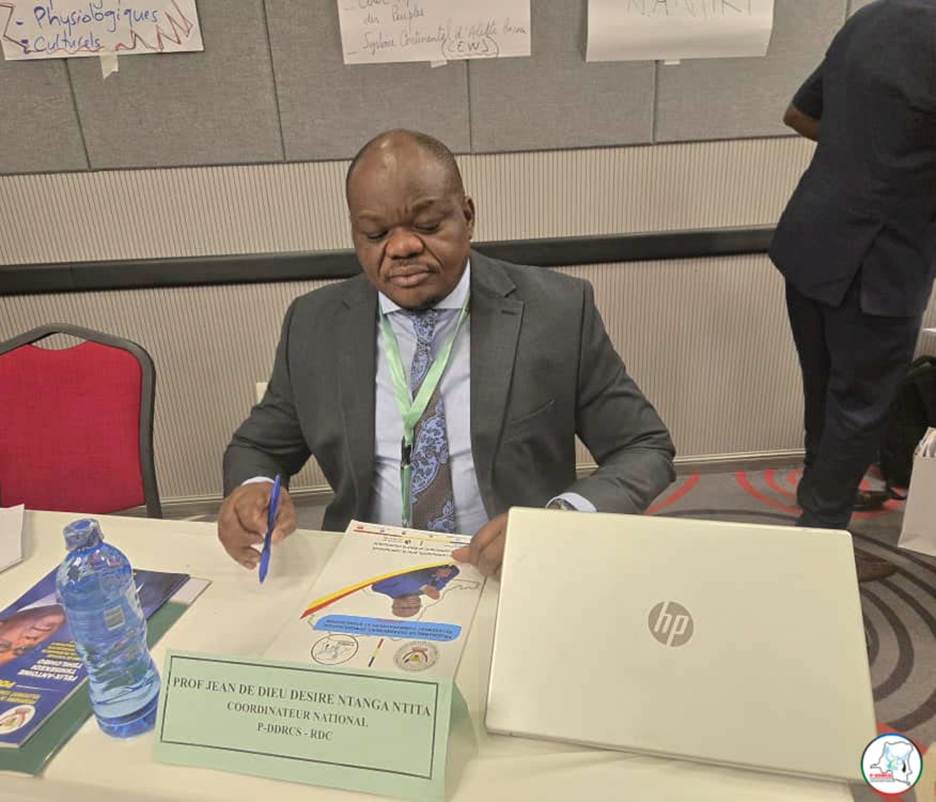
Represented by Professor Jean de Dieu Désiré NTANGA NTITA, National Coordinator of the P-DDRCS, the Congolese experience was presented on the basis of Presidential Ordinance No. 21/038 of 4 July 2021 and the National P-DDRCS Strategy (April 2022). This experience demonstrates that a sustainable exit from armed violence requires close articulation between disarmament, community reintegration, restoration of State authority and effective protection of human rights—particularly those of children and vulnerable groups. The Peace Consultation Frameworks in Support of the Programme (CCPAP) further constitute unique tools for anchoring the Congolese approach at the community level.
The discussions strengthened coordination among the AU, ECCAS, national early warning mechanisms, national human rights institutions and civil society. Peer learning and the exchange of good practices highlighted the importance of community participation, gender equality and national ownership in conflict prevention.
Outcomes and Perspectives for the DRC and the Region
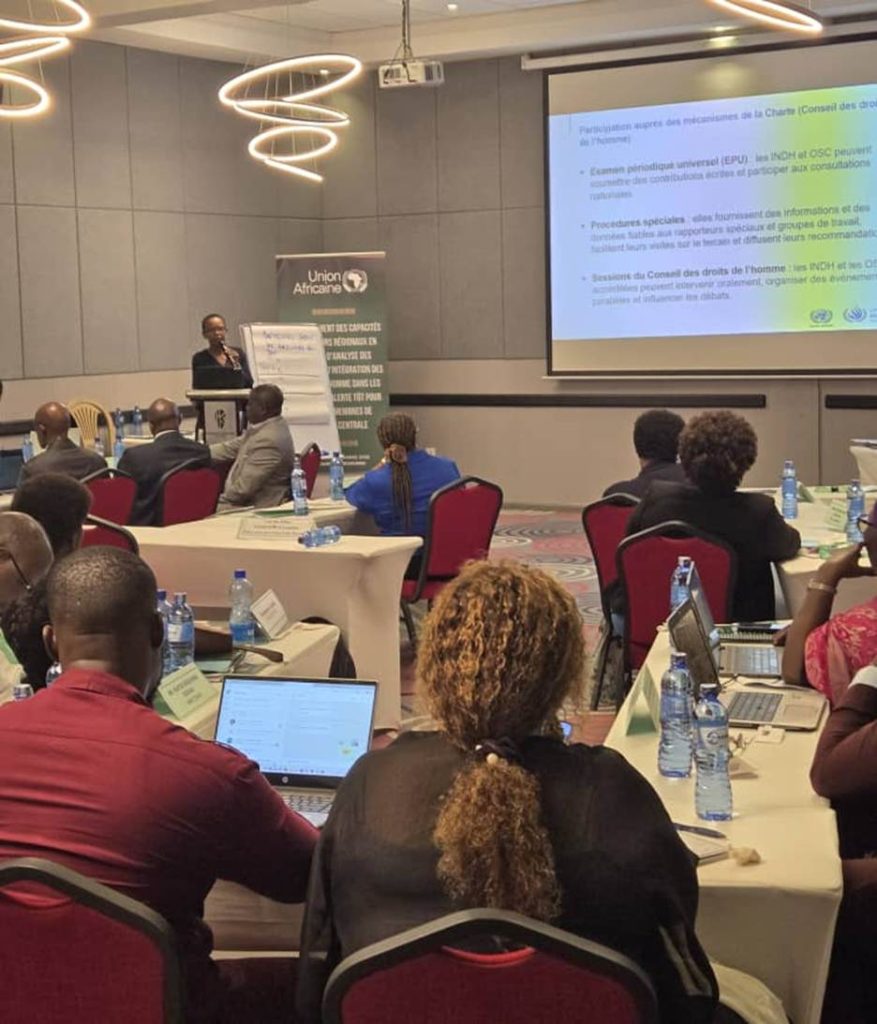
At the conclusion of the seminar, several structuring recommendations emerged, including the establishment or strengthening of national early warning committees, systematic integration of civil society, enhancement of national dialogue mechanisms, and the institutionalization of a human rights–based approach across all conflict-prevention policies.
For the Democratic Republic of the Congo, these orientations fully align with the vision of the Head of State, His Excellency Félix-Antoine TSHISEKEDI TSHILOMBO, to position the P-DDRCS as a central instrument for peace, sovereignty and regional stability. Through its active engagement in these regional frameworks, the P-DDRCS confirms its role as a strategic bridge between security, human rights and development, and positions the Congolese experience as an emerging reference in Central Africa.
Through this participation, the DRC sends a clear message to its regional and international partners: sustainable peace is not decreed—it is built through credible institutions, protected communities and public policies grounded in human dignity.
P-DDRCS Communication Unit