P-DDRCS REAFFIRMS THE NEED FOR INCREASED AND BETTER-ALIGNED FUNDING TO ACCELERATE STABILIZATION AND COMMUNITY RECOVERY IN THE DEMOCRATIC REPUBLIC OF THE CONGO
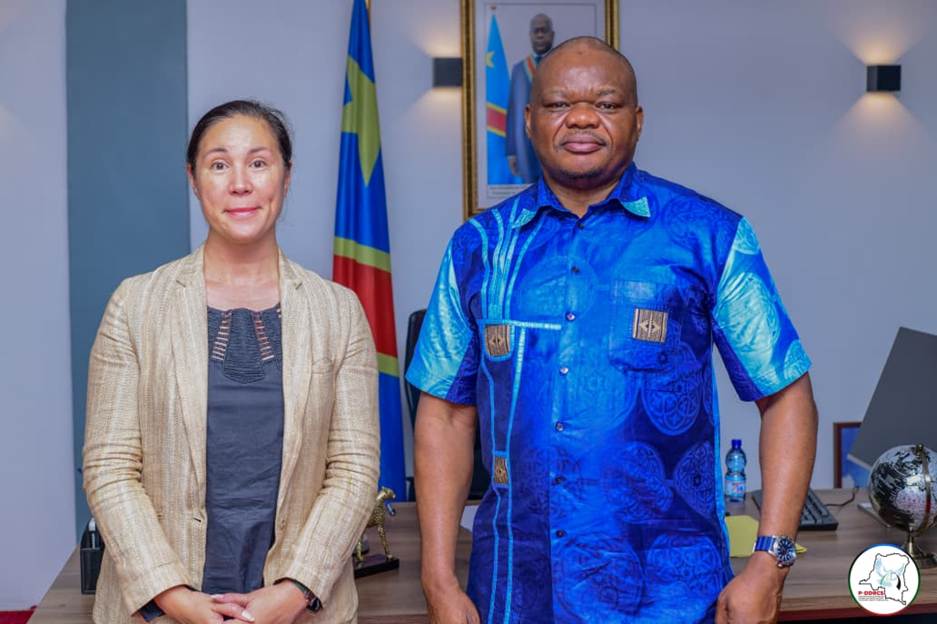
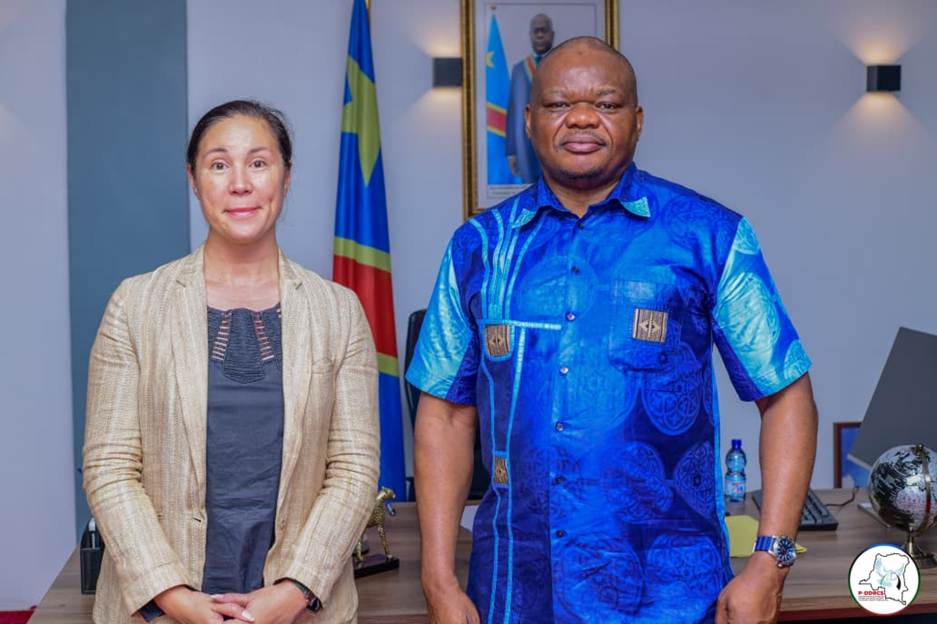
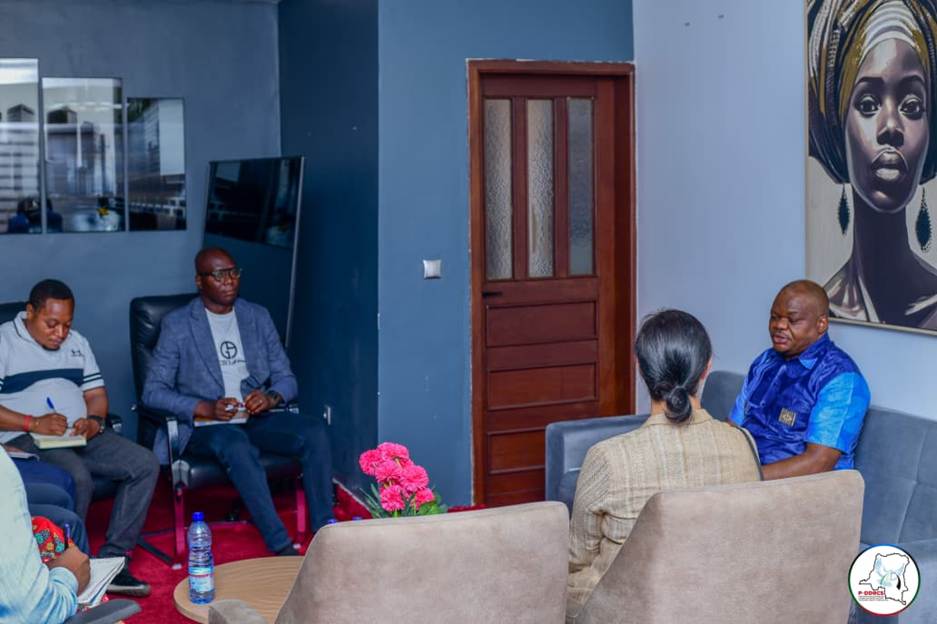
Kinshasa, May 29, 2026 – As part of the global evaluation of the United Nations Peacebuilding Fund (PBF) covering the 2020–2026 period, the National Coordinator of the Disarmament, Demobilization, Community Recovery and Stabilization Program (P-DDRCS), Professor Jean de Dieu Désiré Ntanga Ntita, received Ms. Juana de Catheu, Governance and Security Adviser to the Peacebuilding Fund, who was dispatched from the United Nations Headquarters in New York.
The mission forms part of a broader consultation process aimed at gathering feedback from the Fund’s strategic partners regarding the impact of its interventions. The findings will help inform the next funding cycle and contribute to policy recommendations that will be submitted to the future Secretary-General of the United Nations, who is expected to succeed António Guterres.
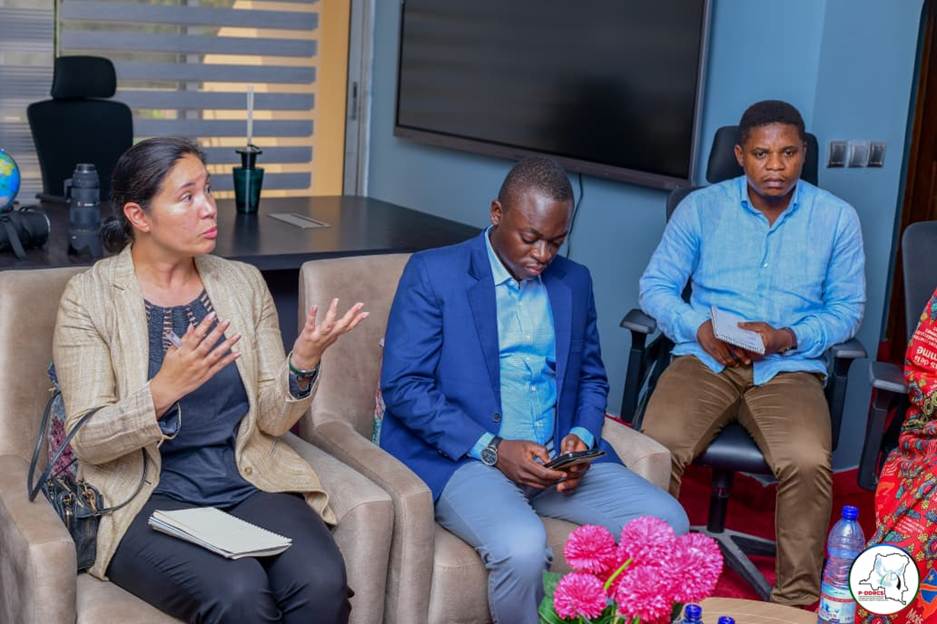
During the meeting, Ms. Juana de Catheu sought the P-DDRCS’s assessment of the Peacebuilding Fund’s support in the Democratic Republic of Congo. Discussions focused on the effectiveness of the Fund’s financing mechanisms in fragile and conflict-affected settings, as well as opportunities to strengthen future interventions.
As the United Nations’ primary financing instrument dedicated to conflict prevention, peacebuilding, and rapid recovery in crisis-affected areas, the Peacebuilding Fund has supported stabilization efforts led by Congolese authorities for several years. Its priorities closely align with the strategic objectives of the P-DDRCS, particularly in the areas of ex-combatant reintegration, social cohesion, and community resilience.
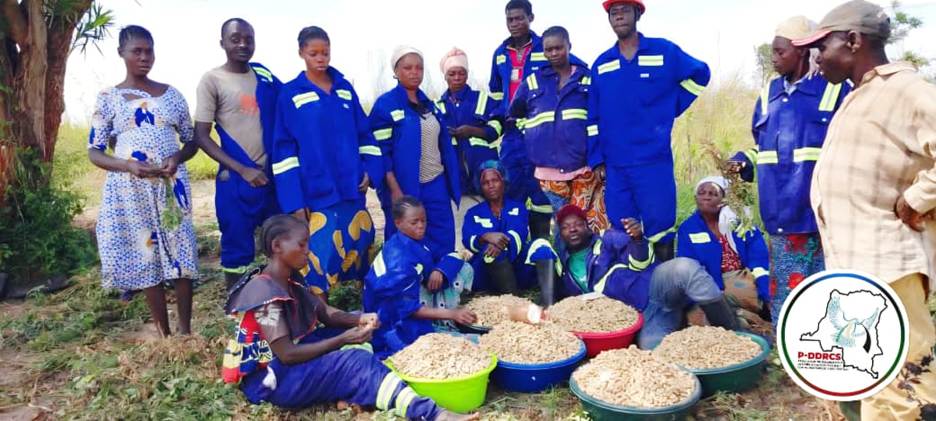
In 2025, the P-DDRCS received a USD 2 million grant from the Peacebuilding Fund to implement a 24-month project entitled: “Supporting the Implementation of the P-DDRCS in Tanganyika Province to Promote Peaceful Coexistence Between Ex-Combatants and Twa and Bantu Communities.” The project is being implemented by a consortium made of UNICEF, FAO, and the ILO.
On this occasion, Professor Jean de Dieu Désiré Ntanga Ntita expressed his satisfaction with the quality of the partnership established between the P-DDRCS and the Peacebuilding Fund in the DRC. He praised an approach grounded in responsiveness to the Program’s actual needs, robust monitoring and evaluation mechanisms, and the promotion of consultation, inclusion, national ownership, and stakeholder participation.
The National Coordinator also recalled that the P-DDRCS has been identified by the Government of the Democratic Republic of the Congo as the country’s top priority for access to Peacebuilding Fund financing during the 2026–2030 programming cycle, ahead of the Local Development Program for the 145 Territories (PDL-145T).
Given the persistence of security challenges across several regions of the country, the P-DDRCS called for increased engagement by the Fund in areas still affected by armed conflict. The Program emphasized that the catalytic nature of the Peacebuilding Fund often enables interventions in locations where other development and financial partners remain reluctant to operate due to insecurity, inadequate infrastructure, and persistent community tensions.
Looking ahead to the next funding cycle, the P-DDRCS submitted several strategic recommendations to enhance the Fund’s impact. These include streamlining consultation processes and administrative procedures, increasing funding allocations, strengthening the sustainability of interventions, supporting initiatives that promote social cohesion and peaceful coexistence, and avoiding fragmented stabilization efforts that may undermine nationally led recovery frameworks.
The National Coordinator also called on international development and financing partners to align their support more closely with the priorities outlined in the National P-DDRCS Strategy. He reaffirmed the Program’s commitment to maintaining an open and constructive dialogue with all donors and partners in pursuit of sustainable peace, stabilization, and long-term development outcomes for conflict-affected communities.
The meeting underscored the shared commitment of the United Nations and the Government of the Democratic Republic of the Congo to consolidating peacebuilding gains, strengthening stabilization efforts, and advancing community recovery. It also highlighted the critical importance of coordinated international engagement in supporting lasting security and development in the country’s most fragile and conflict-affected regions.
P-DDRCS Communication Unit